Assistant Director of SBHS Marine Magnet Program
Behind the Scenes of a Marine Magnet Program: Field Trips, Shark Tags, and What It Takes to Build Something Real
Most people see the field trip photos. They don’t see the months behind them.
Assisting with the direction of South Broward High School’s Marine Magnet Program, I was responsible not just for what happened in the classroom — but for building the kinds of experiences that made students understand why the classroom mattered in the first place. Hands-on learning was not a supplement to our curriculum. It was the curriculum.
Building the Program from the Outside In
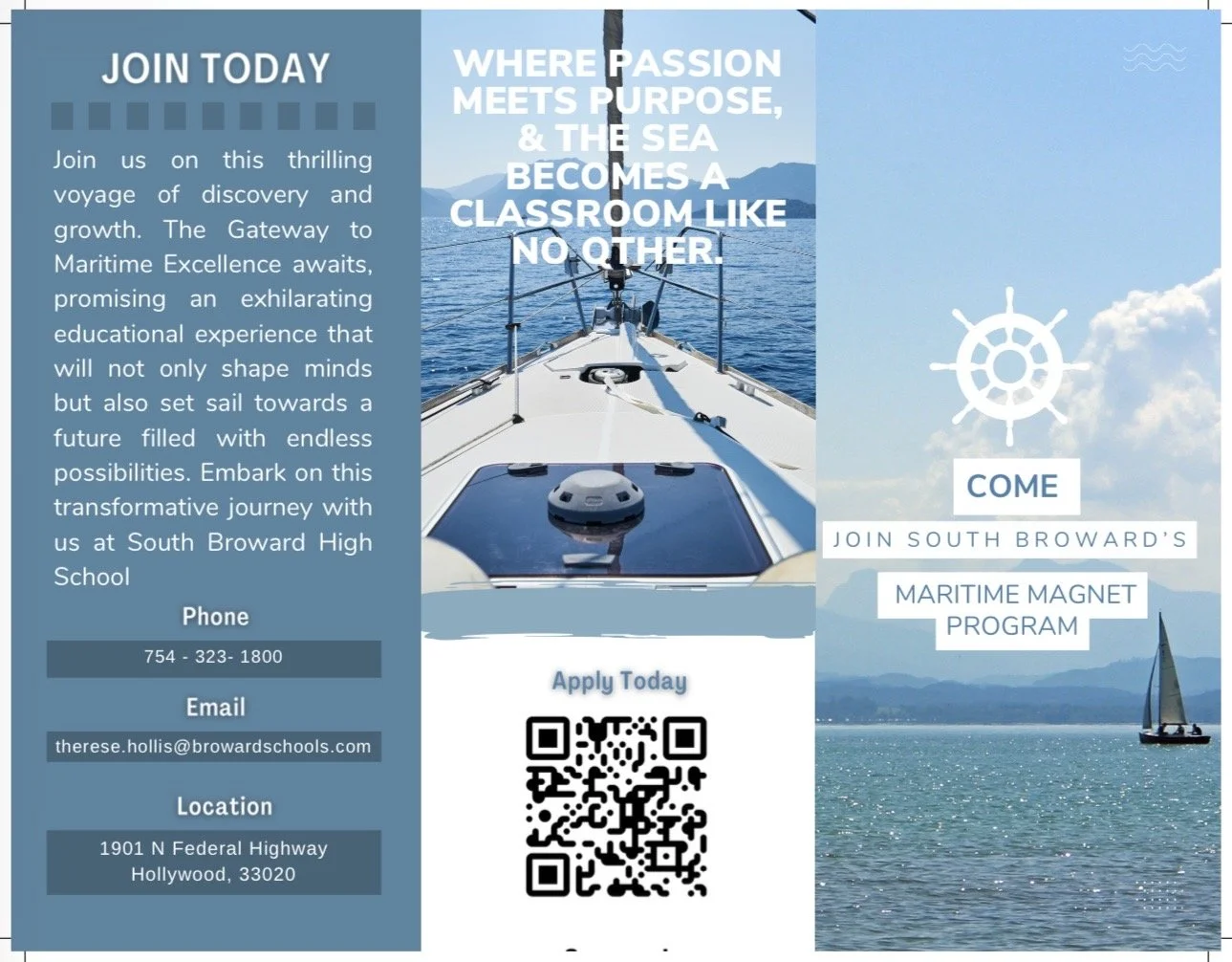
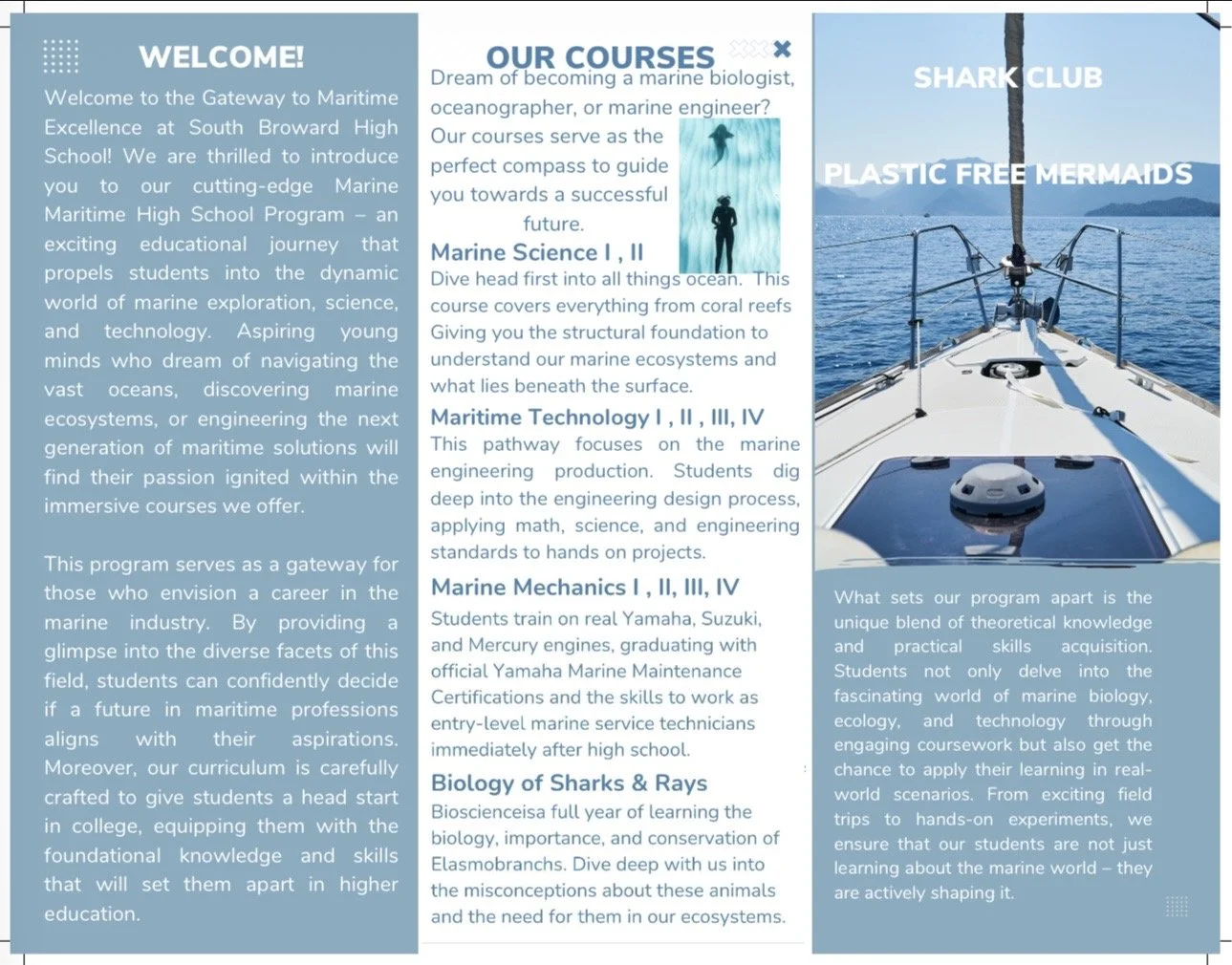
The Marine Magnet Program at South Broward is selective. Students apply. They choose to be there, which means they arrive with a baseline of curiosity — and it was my job, alongside the director, to meet that energy with experiences worthy of it.
That meant planning field excursions that weren’t just educational checkboxes. It meant creating moments that students would carry with them long after high school. Shark tagging in open water. Snorkeling and reef study in the Florida Keys. Visits to science museums that put marine research in a broader context. These weren’t field trips. They were formative experiences built with intention.
Program Highlights at a Glance
• Florida Keys reef trips — hands-on underwater observation tied directly to classroom curriculum
• Science museum partnerships — contextualizing marine biology within broader scientific research
• Community outreach — beach cleanups, conservation tabling events, and program promotion
• Program marketing & design — recruiting the next cohort of students through intentional outreach &
storytelling
• Co-directed alongside faculty leadership to manage programming, logistics, community partnerships, and
student development
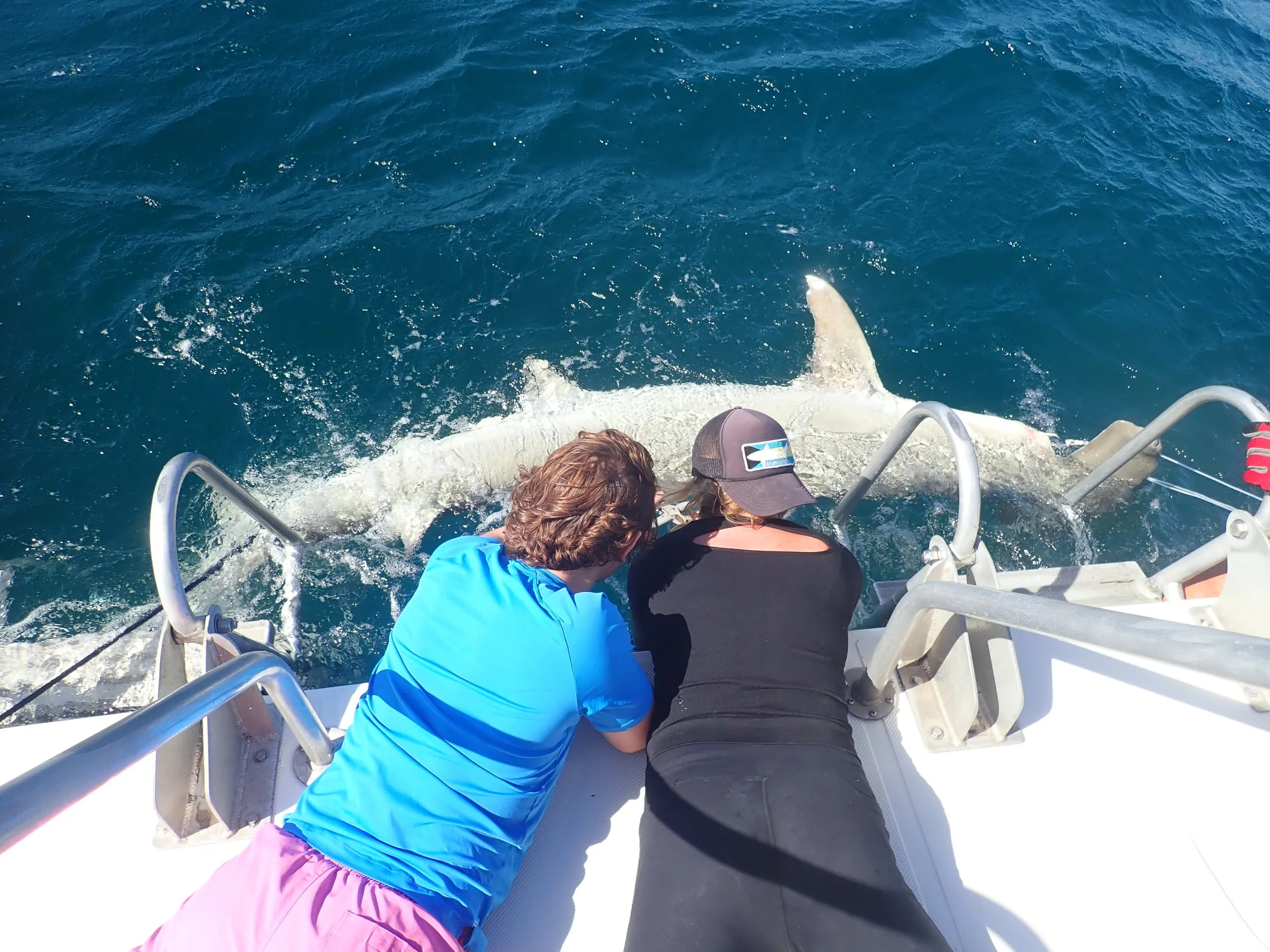
Shark Tagging with Nova Southeastern University
In collaboration with university researchers, students joined field research trips where they collected biological data on shark populations by identifying species, measuring, documenting size & sex, all while learning how tagging shark’s tracks movement.
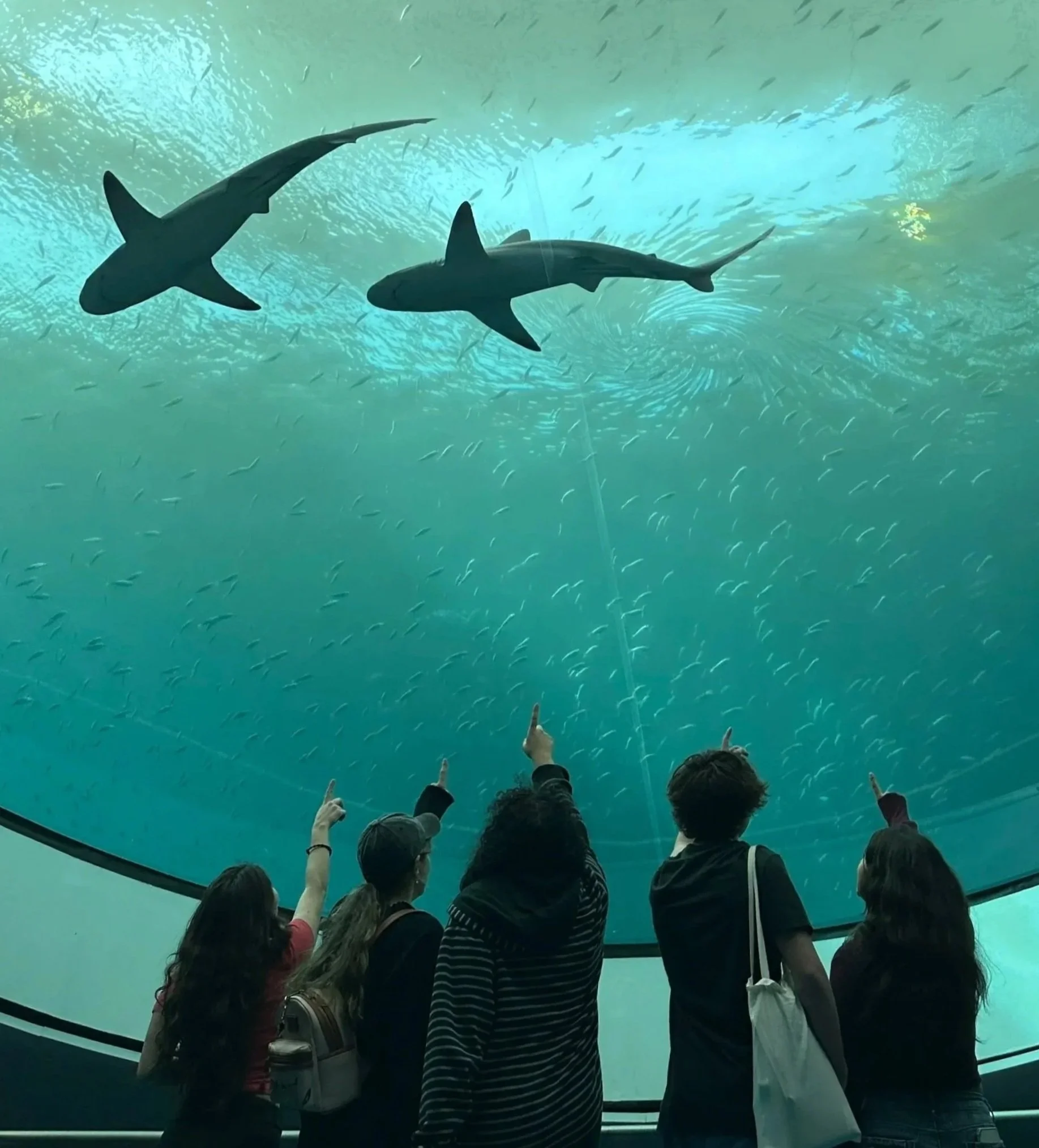
Phillip & Patricia Frost
Museum of Science
Our bi annual visits to the Phillip and Patricia Frost Museum of Science brought classroom lessons to life through interactive exhibits, aquariums, and the planetarium. From ocean ecosystems and shark biology to climate science and mangrove conservation, students experienced the connections between marine science and the world around them.
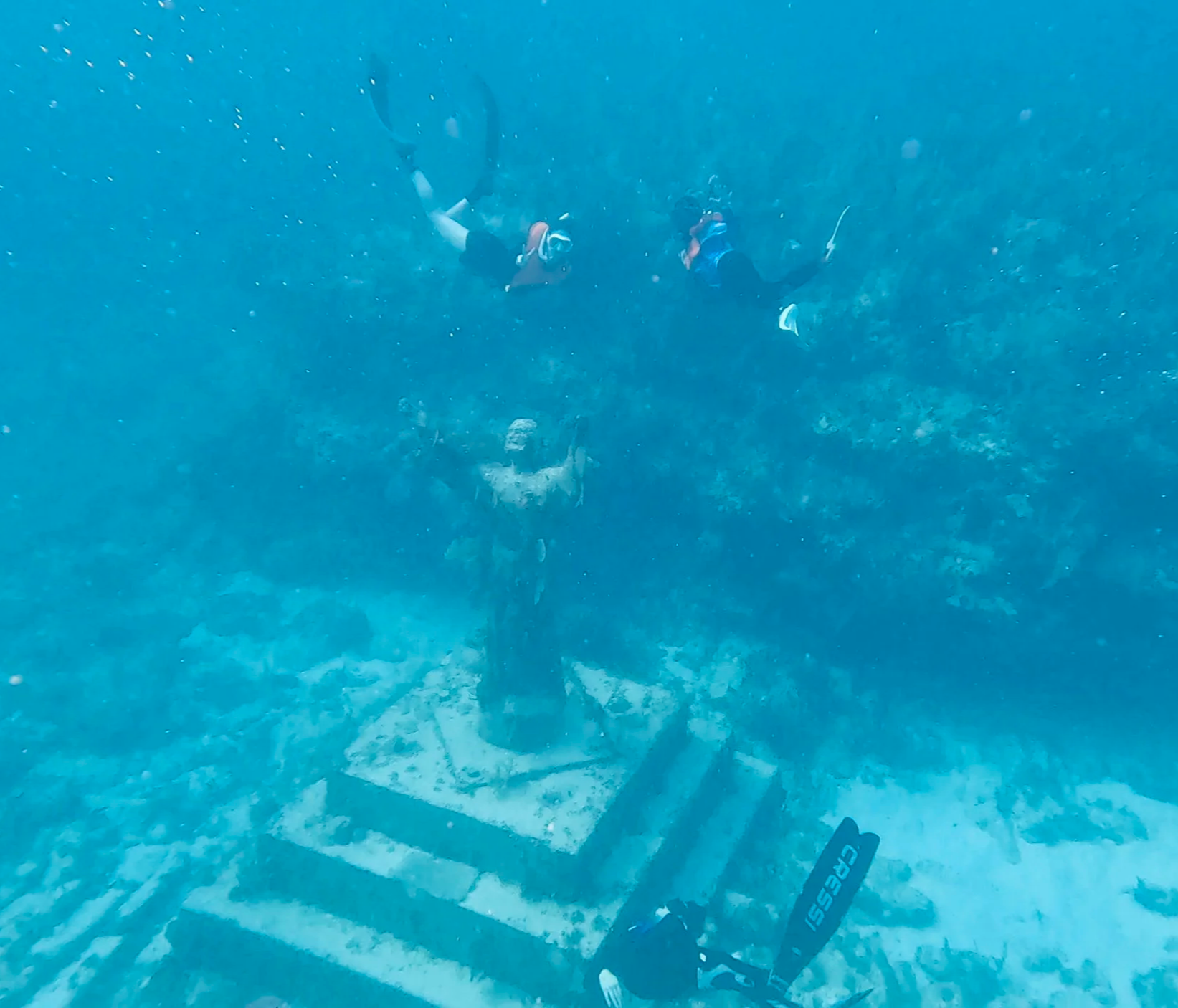
John Pennekamp
Coral Reef
State Park
Our annual trip to the Florida Keys gave students the opportunity to experience one of the world's most diverse marine ecosystems firsthand. For many, it was their first time snorkeling or seeing a coral reef. After studying reef ecology, biodiversity, and conservation in the classroom, students were able to witness these ecosystems in their natural environment.
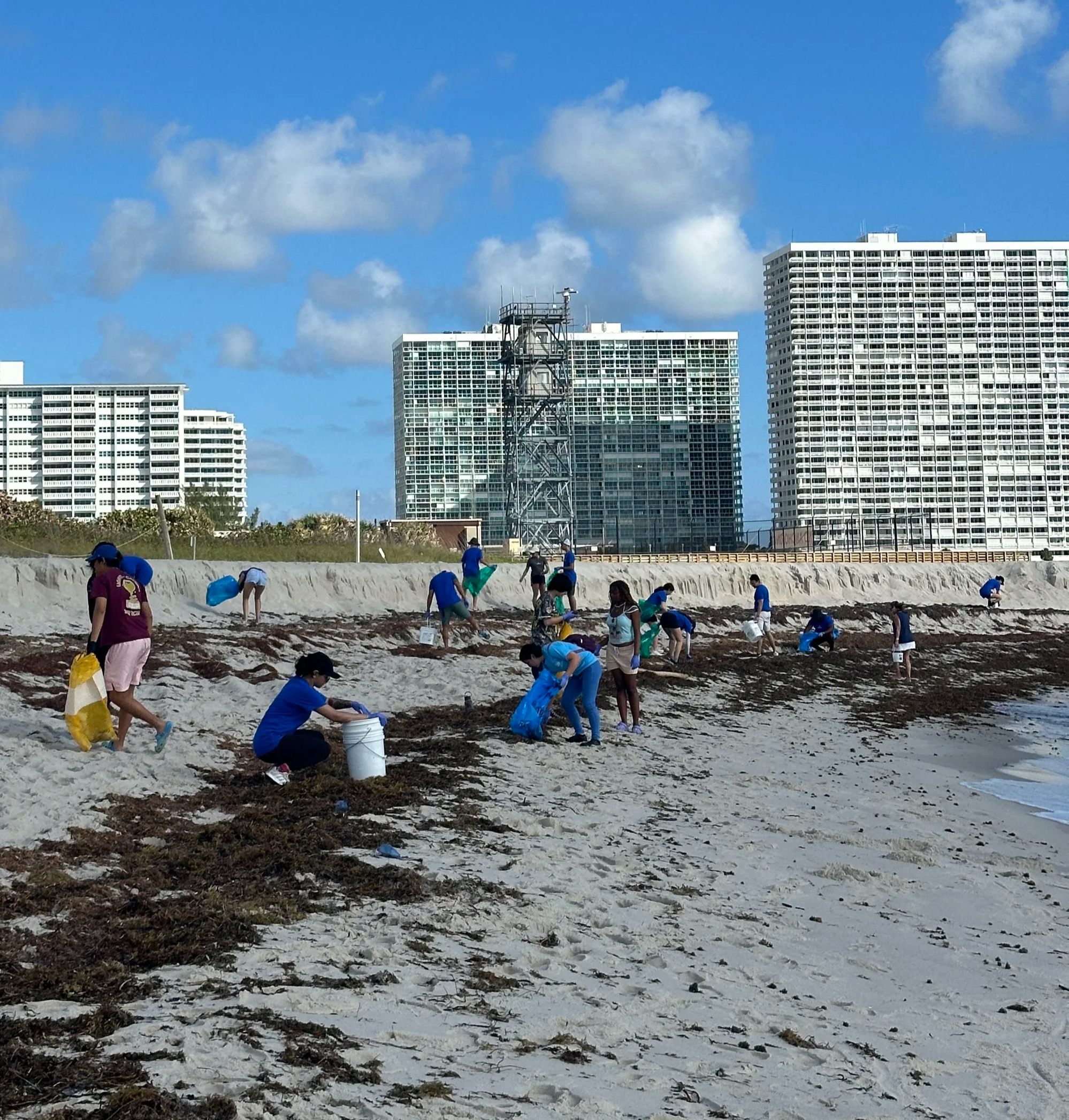
Community Beach Clean Ups
Several times a year students volunteered alongside local environmental organizations to participate in beach clean ups along our coastline, reinforcing that learning also requires action.
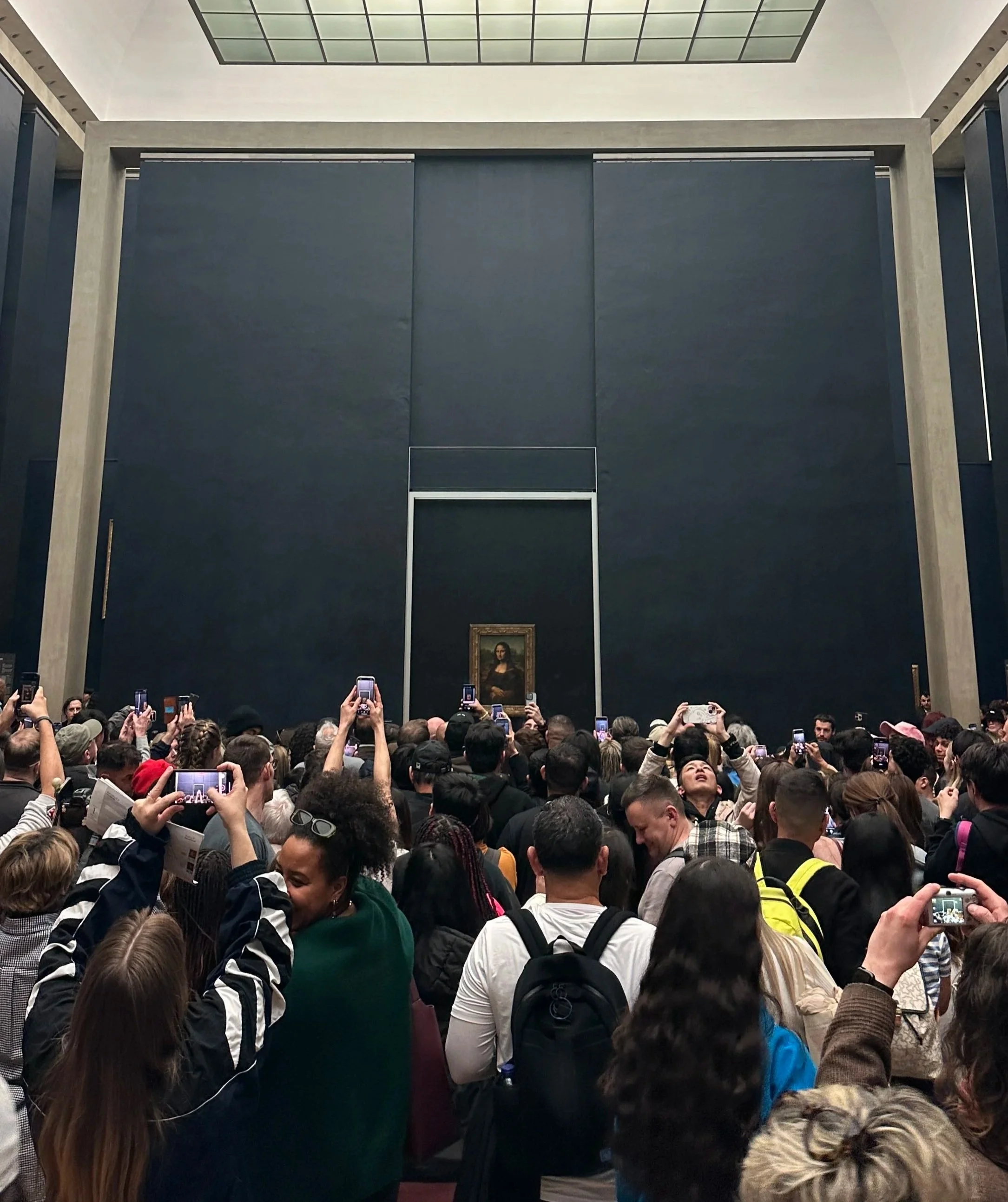
International Travel
With EF Tours
Through EF Educational Tours, students traveled across Europe to experience history beyond the pages of a textbook. Visiting England, France, and Germany, they explored significant World War II landmarks while gaining a broader appreciation for different cultures, perspectives, and global history.
What Program Direction Taught Me About Conservation
You can simply teach a student about coral bleaching, or you can also take them to a reef and let them see it. There is no comparison.
What I learned directing this program is that access is everything. Not every student grew up with a parent who took them fishing or a family who vacationed near the ocean. For some of my students, our field trips were their first time in open water. Their first time holding a fish. Their first time understanding that marine conservation wasn’t someone else’s problem — it was theirs.
That responsibility shaped every decision I made as a director. Every excursion was planned with the question: who is this for, and what will they take home from it? The answer was always the same. It was for the student who didn’t know yet that they cared about the ocean and what I wanted them to take home was the beginning of that care.
That’s worth building a program around.